The Allure of Roulette
Roulette is a cornerstone of the gaming world, captivating players with its thrilling gameplay and the promise of fortune. The distinctive spinning wheel, adorned with red and black pockets and a solitary green zero (or double zero in American roulette), creates an atmosphere of excitement that few other games can match. Players are drawn not just by the vibrant setting but also by the allure of strategies that claim to offer an edge over the house, including options like online pokies australia real money that enhance the overall experience. Understanding the psychology behind these strategies is key to navigating this game of chance.
While many players approach roulette with a sense of optimism, it is crucial to remember that roulette is primarily a game of chance, governed by randomness. The wheel, with its numbered pockets, operates independently of the player’s decisions, making it inherently unpredictable. Even the most sophisticated strategies cannot change the fundamental odds of the game, which is designed to favor the casino in the long run. However, players often seek to maximize their enjoyment and potential winnings by employing tactics that they believe could improve their chances.
Roulette’s charm lies not just in the thrill of the spin but also in the social aspect of playing at a table with others. It’s a communal experience, where players share in the anticipation of the outcome. This collective energy often leads individuals to discuss and share strategies, some of which have been passed down through generations. Understanding these tactics can help players appreciate the game more deeply, even if they don’t necessarily lead to consistent wins.
Popular Roulette Strategies
Among the myriad of strategies players often discuss, the Martingale system is perhaps the most well-known. This strategy involves doubling your bet after every loss, which theoretically enables a player to recover all previous losses with a single win. For instance, if a player starts with a bet of ten dollars and loses, they would wager twenty dollars next. While this method can be alluring, it requires a substantial bankroll and is at the mercy of the casino’s betting limits, which can deter its effectiveness.
Another popular strategy is the D’Alembert system, which operates on a more cautious principle. Instead of doubling bets, players increase their wager by one unit after a loss and decrease it by one unit after a win. This technique aims for a more gradual approach to betting, appealing to those who prefer a less aggressive strategy. Players often find this method less stressful, as it doesn’t require the same level of financial commitment as the Martingale system.

Lastly, there’s the Fibonacci system, which is based on an ancient number sequence. In this strategy, players bet by following the Fibonacci sequence, making calculated bets that increase after a loss and decrease after a win. While proponents argue that it helps manage bankrolls more effectively, critics point out that like all others, it does not change the inherent odds of the game. Each strategy highlights an important aspect of roulette: the need for a coherent betting plan, even if that plan doesn’t guarantee success.
The House Edge and Odds
Understanding the house edge is fundamental to any discussion about roulette strategies. The house edge in European roulette, with only a single zero, is approximately 2.7%, while American roulette, which features both a single and a double zero, has a house edge of about 5.26%. This difference significantly influences a player’s long-term winning potential. While strategies might provide a temporary advantage in specific sessions, the underlying odds remain constant, emphasizing that no strategy can fundamentally alter the house’s advantage.
Ultimately, the house edge serves as a reminder that roulette is designed to favor the casino. Each spin of the wheel is independent, meaning previous results do not influence future outcomes. This characteristic can be a hard pill to swallow for many players, especially those invested in strategies designed to beat the game. Understanding this principle allows players to temper their expectations and approach the game with a mindset focused on entertainment rather than guaranteed returns.
It’s also worth noting that the variety of betting options in roulette creates numerous opportunities for players to explore different strategies. From inside bets that offer higher payouts to outside bets that have better odds, players can tailor their approaches based on personal risk tolerance and playing style. This flexibility can enhance the gaming experience, even if it doesn’t guarantee a surefire way to outsmart the wheel.
Behavior and Psychology in Roulette
The psychological factors influencing player behavior at the roulette table can’t be overlooked. Many players tend to fall into the trap of the gambler’s fallacy, believing that certain outcomes are „due” after a series of losses or wins. For instance, if red has come up several times in a row, players may assume black is bound to appear next, leading to betting patterns that do not affect the wheel’s randomness. Understanding this psychological bias is crucial as it highlights how emotions can significantly influence betting decisions.
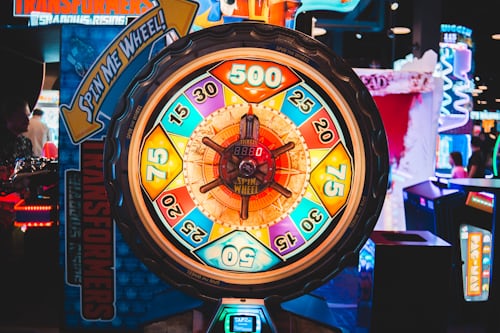
Moreover, the thrill of playing roulette can lead to heightened emotions, including excitement and frustration. Players may become overly confident after a winning streak or despondent after a series of losses. These emotional responses can cloud judgment, leading to poor betting decisions that deviate from well-thought-out strategies. Cultivating a disciplined approach, wherein players remain calm and focused, can help mitigate the effects of emotional wagering and promote a healthier gaming experience.
Lastly, the social environment at a roulette table adds another layer of complexity to player behavior. Interaction with other players and the dealer can foster a sense of camaraderie and excitement, potentially influencing individual decisions. The pressure to conform to the betting styles of others can lead to impulsive actions that undermine a player’s strategy. Being aware of these psychological aspects allows individuals to approach the game with greater mindfulness, ultimately enhancing their overall experience.
Your Journey in Roulette
As you navigate the world of roulette, it is essential to remember that the game should prioritize enjoyment over the pursuit of guaranteed wins. While various strategies may offer different ways to play, they cannot guarantee success against the house edge. Instead, focusing on responsible gaming practices and understanding the nature of the game can lead to a more satisfying experience. Set limitations on bankrolls and time, ensuring that your gaming remains enjoyable and within personal boundaries.
Furthermore, educating yourself on the rules, odds, and strategies can empower you to make informed decisions. Every spin of the wheel is an opportunity for excitement, and understanding the dynamics of the game can contribute to a more fulfilling experience. Whether you prefer strategic betting or simply savor the thrill of the game, maintaining a balanced perspective will serve you well in your roulette journey.
Ultimately, roulette is more than just a game of chance; it’s an experience that combines risk with potential reward, excitement with strategy. As you explore different betting methods and engage with fellow players, keep in mind the importance of balanced expectations and self-awareness. Embrace the journey, and enjoy every spin as it comes, acknowledging both the randomness of the wheel and the joy of the game.